
To seal a paver patio, clean it, let it dry completely, sweep fresh sand into the joints, blow every grain off the surface, then apply two thin, even coats of paver sealer on a day with no rain in the forecast. Keep foot traffic off until the sealer dries clear, and keep furniture off for about a day. Most of the result comes from the prep, so do not rush the cleaning and drying.
Learning how to seal a paver patio is mostly learning what to do before the sealer comes out. Sealer locks in whatever is on the patio when it goes down, whether that is a clean surface or dirt, stains, damp sand and loose grit.
Here is the full process in order, the tools you need, how to avoid the cloudy finish most DIY jobs end up with, and when it makes sense to have a crew do it.
- Clear the patio and fix any sunken or loose pavers.
- Deep clean the pavers and treat any stains. Strip old sealer if it has gone cloudy or started peeling.
- Let the pavers dry all the way through.
- Sweep fresh sand into the joints, then blow the surface clean.
- Cut in the edges, then apply a thin first coat.
- Apply a second thin coat once the first one dries.
- Keep people, furniture and rain off until the sealer cures.
What Do You Need to Seal a Paver Patio?
You need a paver sealer, something to apply it with, and the right tools for prep. Here is the basic list:
- Paver sealer. Buy enough for two coats. The label lists coverage per gallon.
- A low-pressure pump sprayer, a roller, or both. Check the label, because some sealers call for one or the other.
- Joint sand. Regular paver sand or polymeric sand, matched to what is already in your joints.
- A stiff push broom and a leaf blower. The broom moves sand into the joints, and the blower clears what is left on top.
- Painter’s tape and plastic. These protect the house wall, pool coping and screen frames from overspray.
- Gloves and eye protection.
Should You Use a Water-Based or Solvent-Based Paver Sealer?
Most homeowners do best with a water-based sealer. Paver maker Unilock recommends pairing regular joint sand with a sealer that also stabilizes the joint sand, and water-based sealers have a low odor and clean up with water.
Solvent-based sealers usually give a darker, glossier wet look. They also have strong fumes and need solvent-resistant tools. Whichever type you pick, stick with it at reseal time. Putting one type over the other can cause the new coat to cloud or peel, so check the label before you mix them.
On our own jobs, we apply two coats of a water-based sealer that goes on milky and dries clear.
How Do You Prep a Paver Patio for Sealing?
Prep a paver patio by cleaning it deeply, treating stains, and fixing any pavers that have sunk or shifted. Sealer goes on the surface exactly as it finds it, so any stain left behind ends up sealed in under a shiny coat. We cover the full cleaning process in how to clean a brick paver patio before sealing it.
A few prep steps people skip:
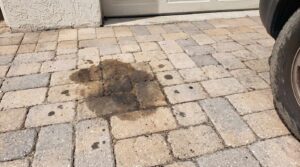
- Oil and rust stains. Plain water will not move them. Treat them first, like we explain in how to remove oil stains from pavers.
- Old sealer. If it has turned cloudy, white or patchy, strip it off. New sealer over a failing coat fails with it.
- Sunken pavers. Pull them up, level the sand underneath, and reset them before you sand the joints.
In Lakeland, the current Phase III water restrictions matter here. Under the City of Lakeland’s rules, pressure washing for cosmetic reasons is not allowed through March 31, 2027, but pressure washing to prepare a surface for sealing is. Cleaning the patio right before you seal it fits the rules.
Do You Put Sand Down Before or After Sealing Pavers?
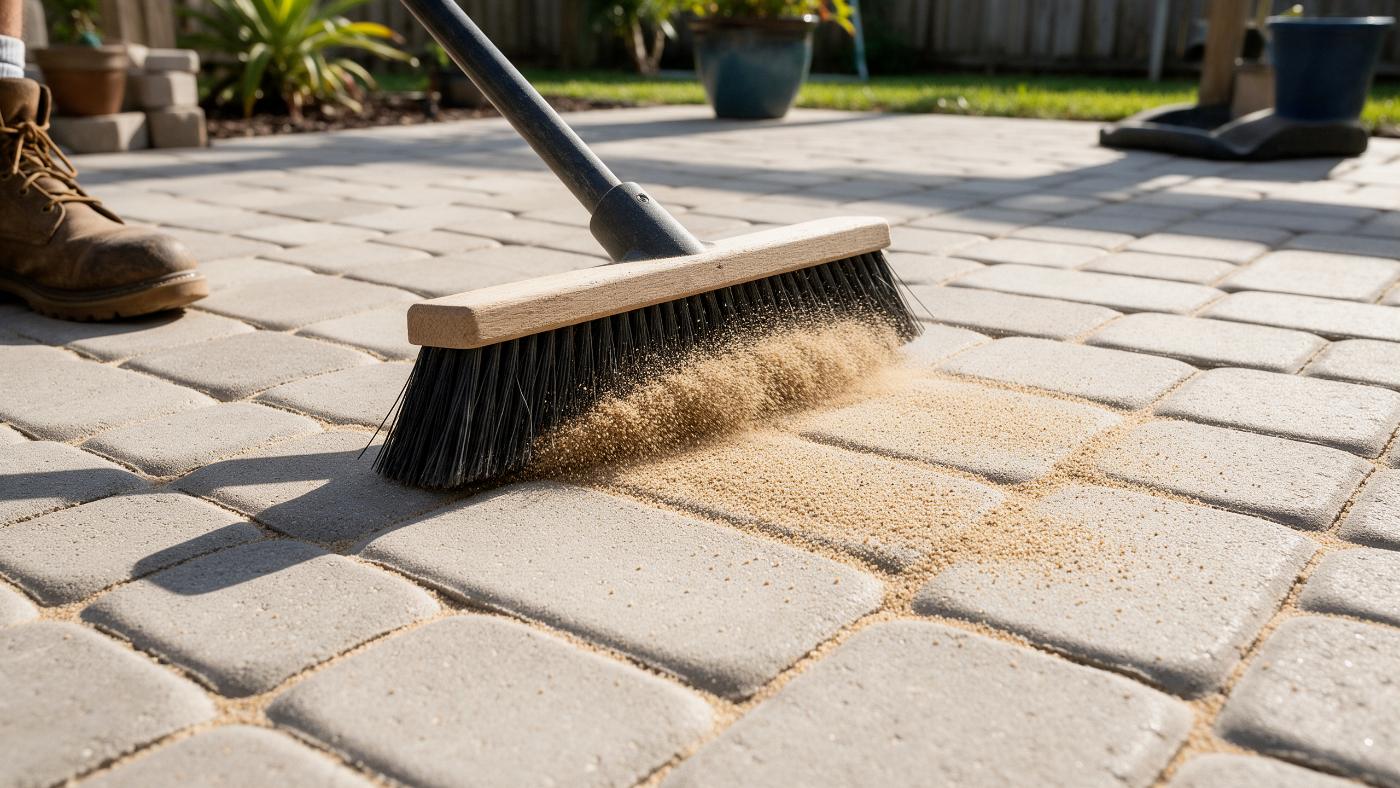
Sand goes down before the sealer. Sweep it into the joints until they are full, then sweep and blow every grain off the paver faces. Unilock’s FAQ puts it plainly: once the sealer goes on, it traps anything left on the surface. Sealed-in sand feels gritty underfoot and looks dull.
The sand also has to be dry. If you use polymeric sand, it needs water to activate and then time to cure, so follow the sand bag’s directions and wait until it has fully cured before you seal. Rushing this step is one of the most common reasons a new sealer coat turns cloudy.
How Do You Apply Paver Sealer to a Patio?
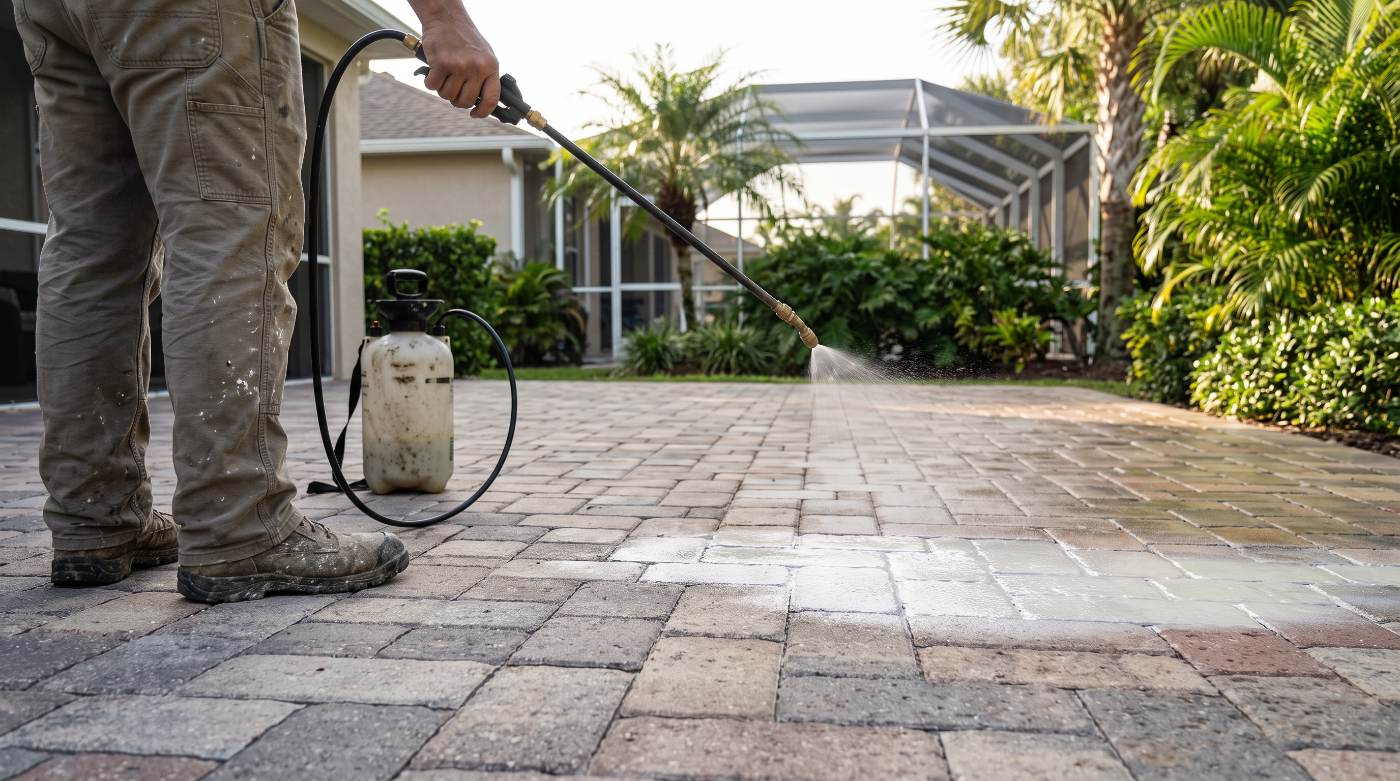
Apply paver sealer in thin, even coats, working in small sections so you always overlap a wet edge. Start by cutting in along the house, the pool coping and the patio edges with a small roller or brush. Then cover the open area with the sprayer or roller.
Tips that keep the finish even:
- Thin beats thick. Puddles and heavy spots dry cloudy or white. Roll out any puddles right away.
- Keep a wet edge. Letting a section dry before you overlap it leaves visible lap lines.
- Finish in one day. Stopping halfway and coming back the next day often leaves an uneven, layered look.
- Stay out of the midday summer sun. Hot pavers can dry the sealer before it soaks in evenly. Morning works best.
- Watch your footprints. Plan your path so you finish at an exit, not in a corner.
How Many Coats of Sealer Does a Paver Patio Need?
Most paver patios need two thin coats. The first coat soaks into the pavers and the joint sand. The second coat evens out the color and finish once the first coat dries. The sealer label tells you how long to wait between coats.
More is not always better. Extra coats can build up into a thick film that looks plastic, turns slick, or clouds over in Florida humidity. If you want a glossier look, choose a sealer made for that finish instead of piling on coats.
How Long Does Sealer Take to Dry on a Paver Patio?
Most sealed pavers handle light foot traffic within a few hours once the sealer dries clear. Wait about a full day or longer before you move patio furniture, grills or planters back, depending on heat and humidity. Always check the drying times on your sealer label, because they vary by product.
Rain is the big risk. Plan for at least 24 hours with no rain after your last coat, because water on uncured sealer can leave white spots. In Florida, that makes the dry season the easiest time to seal, which we break down in when the best time to seal pavers in Florida is.
What Goes Wrong When You Seal Pavers Yourself?
The most common DIY problem is a cloudy or white haze. It usually comes from sealing over moisture, applying the sealer too thick, or getting rained on before it cures. Other problems we see:
- Blotchy color from uneven coats or lap lines
- Gritty spots from sand sealed onto the paver faces
- Sealed-in stains that were not treated before sealing
- Peeling from sealing over a failing old coat or mixing incompatible sealers
Most of these take stripping and resealing to fix. Pool decks need extra care too, because chlorine and salt water wear on pavers and sealer, which we cover in does salt water damage pavers around a pool.
Should You Seal Your Paver Patio Yourself or Hire It Out?
You can seal a small, simple patio yourself if you have a dry weekend and the patience to prep it right. A large patio, a pool deck, or a patio with old cloudy sealer is a different job. Stripping old sealer and getting an even finish across a big area takes the right equipment.
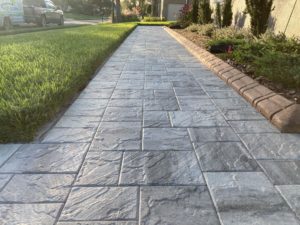
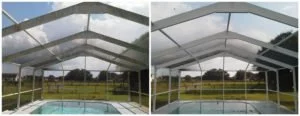
Our paver sealing in Lakeland handles the whole process in one visit. We deep clean, strip old sealer when needed, re-sand the joints and apply two coats, and most jobs are done in a single day. If your patio also needs a general wash first, our deck and patio cleaning covers concrete and brick pavers. Wondering what goes into the price? See how much paver sealing costs in Florida.
Paver Patio Sealing Questions, Answered
Can you seal pavers with a roller?
Yes. Many sealers can go on with a roller, a pump sprayer, or both. Follow the label, keep the coats thin, and roll out any puddles before they dry.
Do you have to seal a paver patio?
No. Pavers hold up without sealer. Sealing protects the color, holds the joint sand in place, and makes stains easier to clean, which is why many Florida homeowners choose it.
How long after polymeric sand can you seal pavers?
Wait until the polymeric sand has fully cured and the joints are dry. The cure time depends on the brand and the weather, so follow the directions on the bag.
Can you put new sealer over old sealer?
Sometimes. If the old sealer is in good shape and the products work together, you can reseal over it. If it has turned cloudy, white or peeling, strip it first.
How often should you reseal a paver patio?
In Florida, a first sealing typically lasts about 2.5 to 3 years. Reseal when water stops beading or the color starts to fade.
Want Your Patio Sealed Right the First Time?
We are based on the south side of Lakeland and seal paver patios, pool decks and driveways across Lakeland Highlands, Christina, Scott Lake and the 33803, 33811, 33812 and 33813 zip codes, plus the rest of Polk County. We clean, re-sand and seal in one visit, scheduled around a dry forecast. Free estimates.